These days, practically everyone is obsessed with looking perfect. Even the social media influencer marketing have given us a
sense of what is considered attractive and what is not.Some people spend millions of dollars in this circumstance to maintain their hotter bodies.
You can apply image editing to get a faultless appearance. Go alter it if you don’t want to talk about your natural attractiveness on social media.
The finest thing you can do is to accept your inherent attractiveness, nevertheless! There is a significant effort of
image editing behind the seemingly ‘beautiful’ photographs we see on social media. A top model on Instagram can be created with the right filter and strong editing abilities.
Have you ever wondered how your ancestors were able to capture such beauty in their photographs, btw?
Even in the nineteenth century, the majority of photographs had excellent quality and flawless appearances.
This recently discovered 1909 manual for amateur photographers demonstrates how retouching existed long before Instagram.
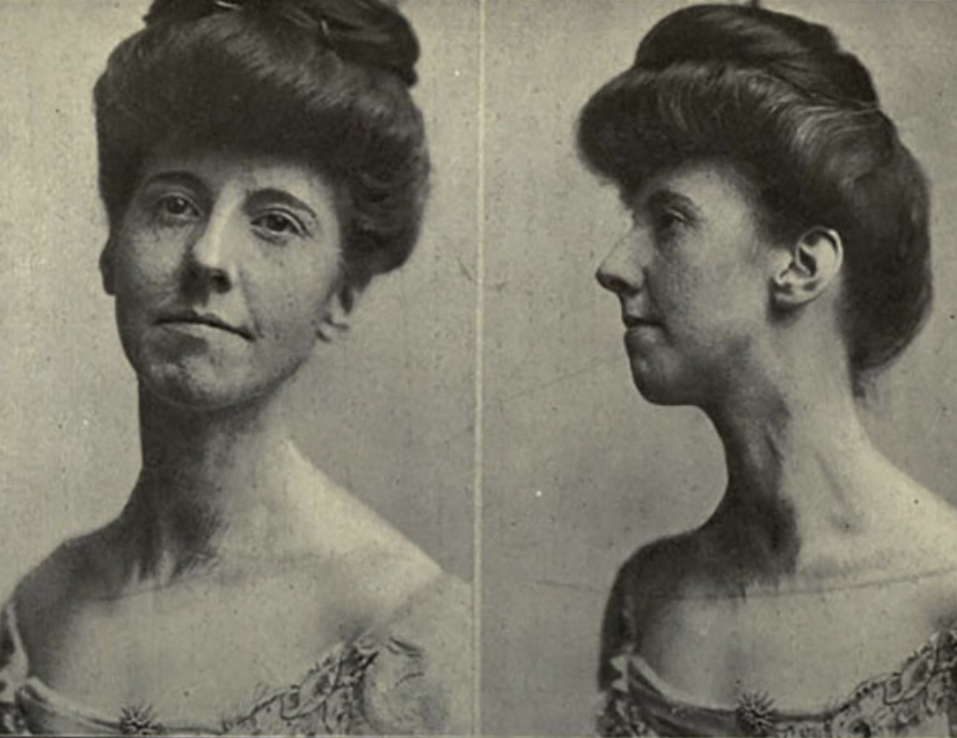
It’s no longer a secret. We now know how the technology was back then thanks to whoever discovered this book titled ‘Complete self-instructing library of practical photography.’
This book, which is one of a 10-volume set, was initially published in 1868 and contains a substantial collection of instructions for using black-and-white photography.
It explains how to take photos, how to edit them, and how to get rid of any flaws in the subjects of the pictures.
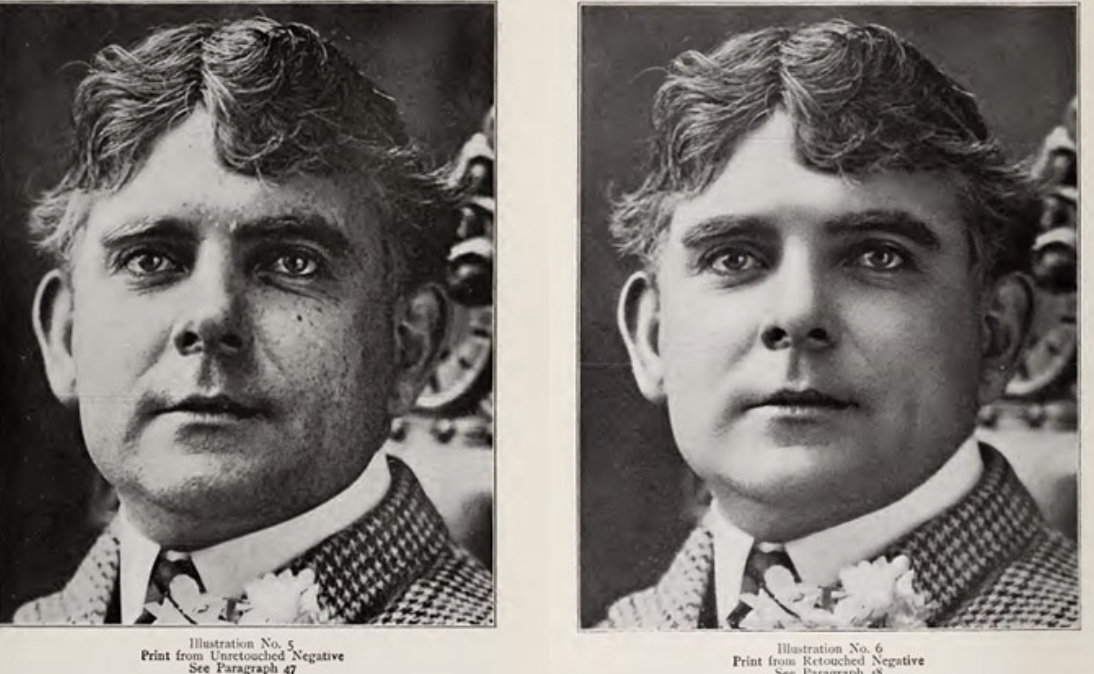
The book also claims that, in the beginning, buyers only receive photography prints manufactured from negatives.
The photographic negatives have not been handed to them. And it explains that there was no editing done
to the negatives before making the prints. The photos’ perfection and caliber have improved with time.
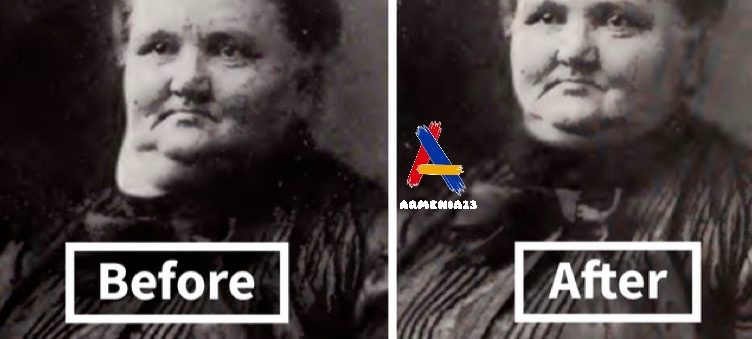
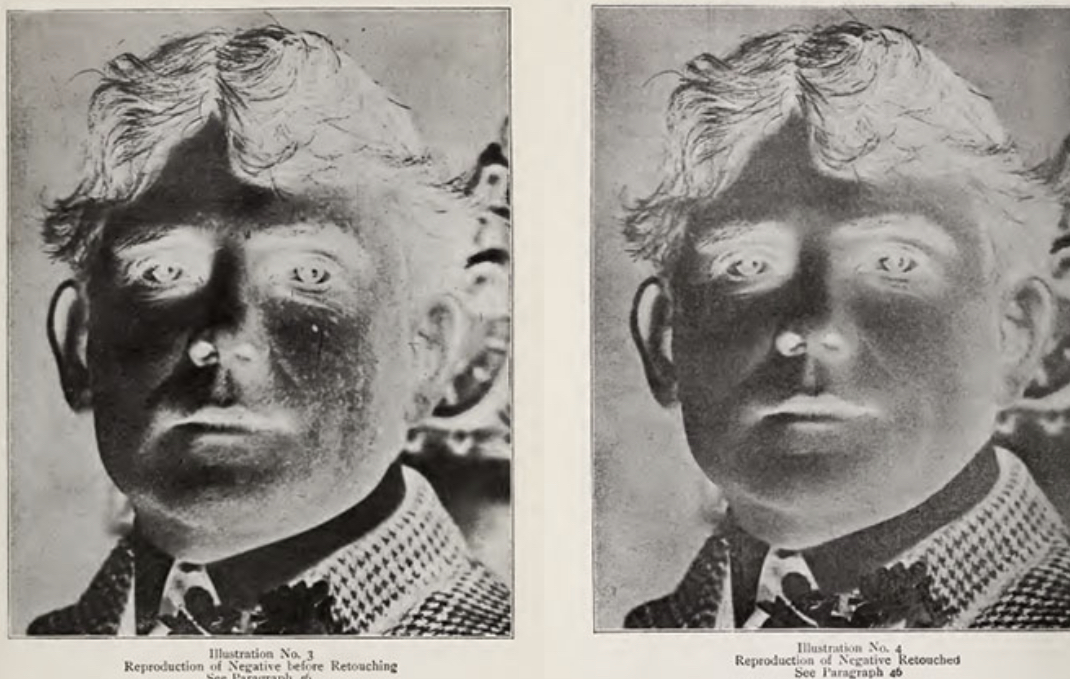
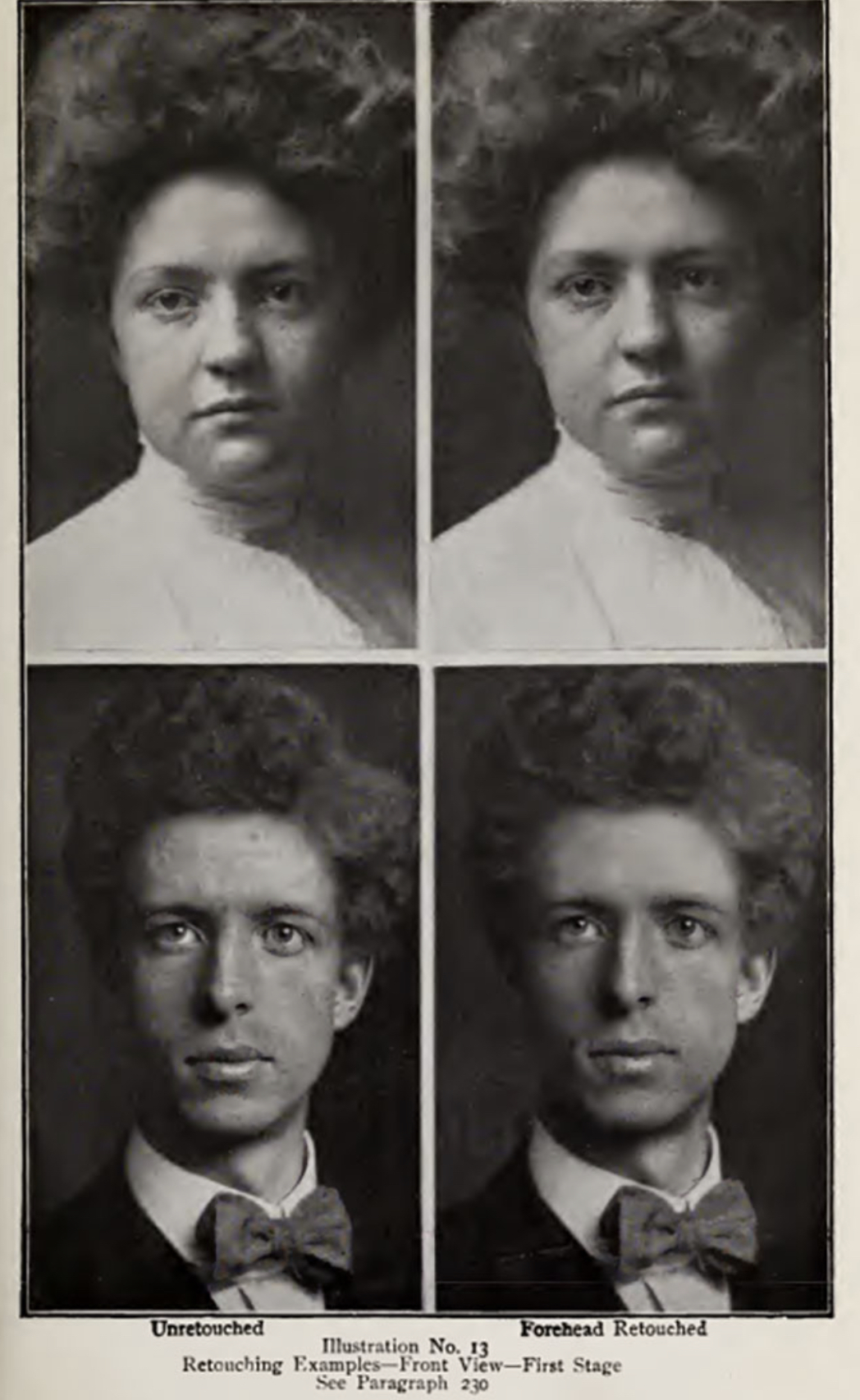
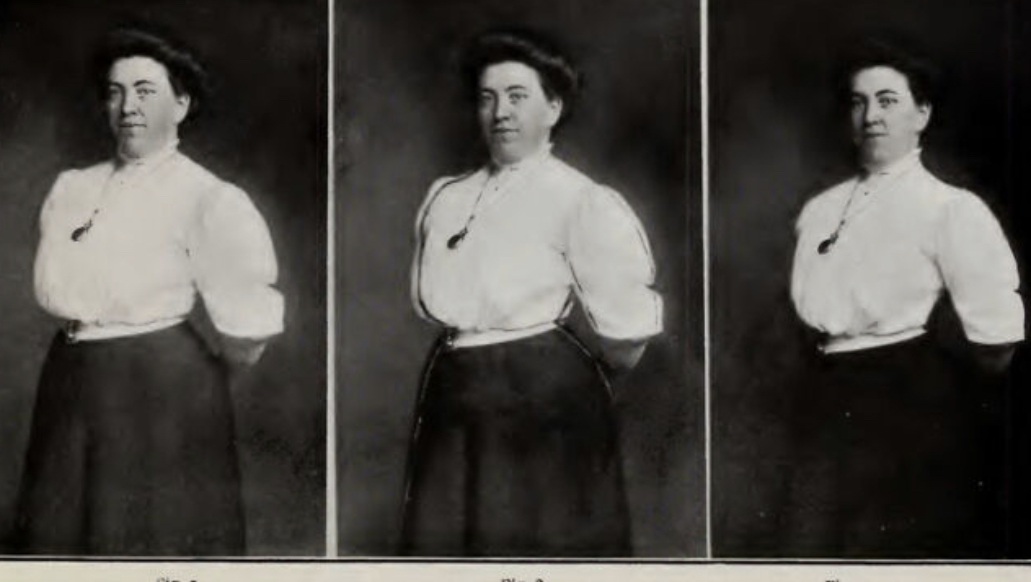
Here are some examples from the book that were created before and after retouching.
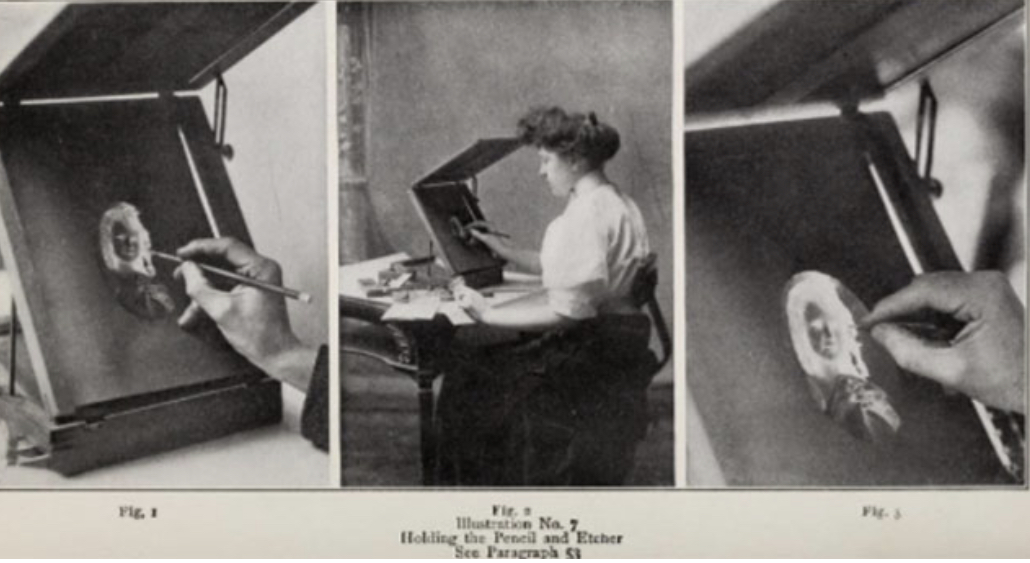
There were numerous tools utilized for the retouching. Aside from that, you’ll also need an easel, a magnifying glass,
a lead holder, lead, etching knives, a spotting brush, retouching fluid, negative varnish, and etching paste.
To correct flaws and blend highlights, shadows, and halftones, pencils were utilized, and etching knives were used to tone down highlights and remove undesired portions of the image.
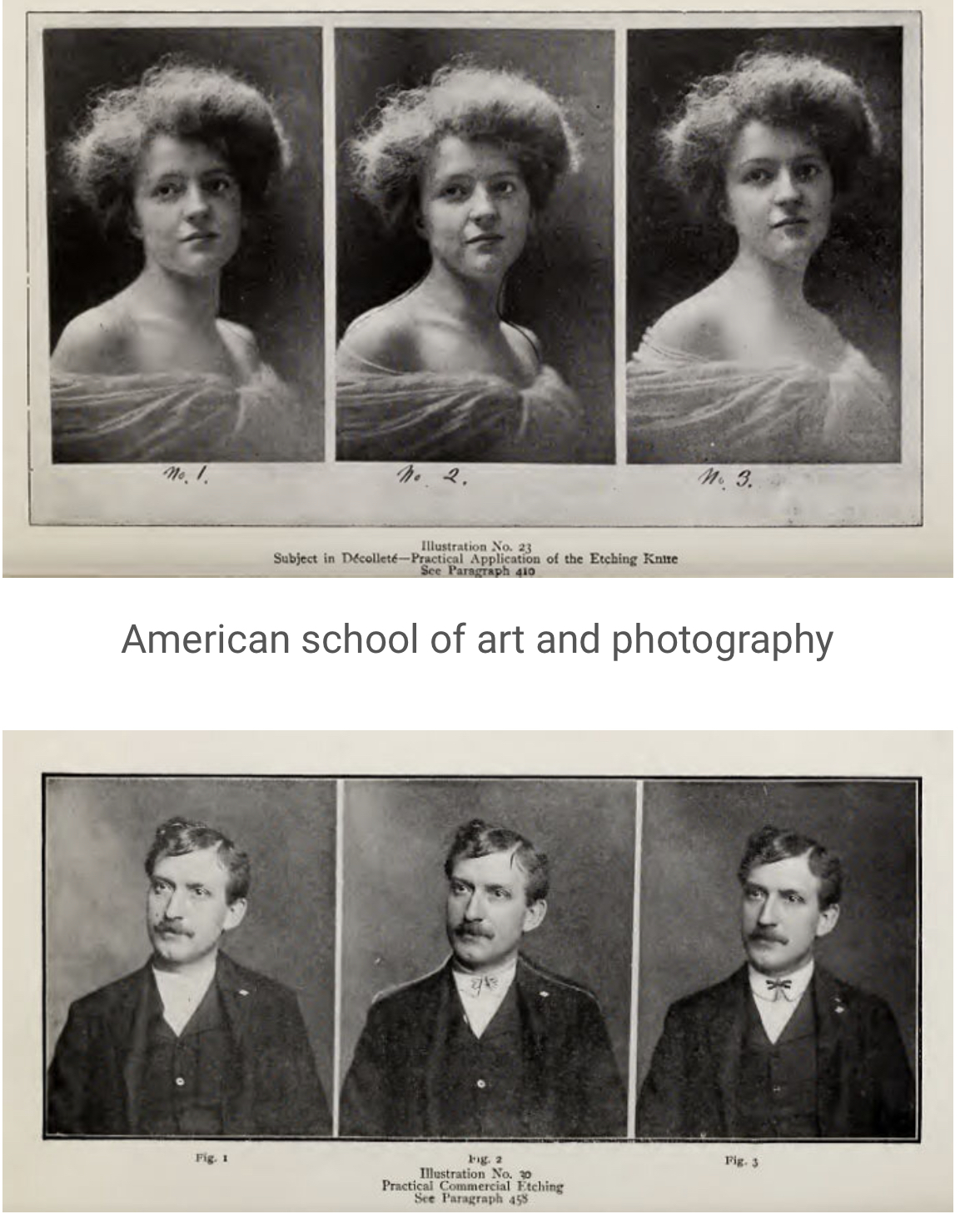
To ‘decrease the size of stout subjects,’ even they had instructions! You are no longer a fat lady!
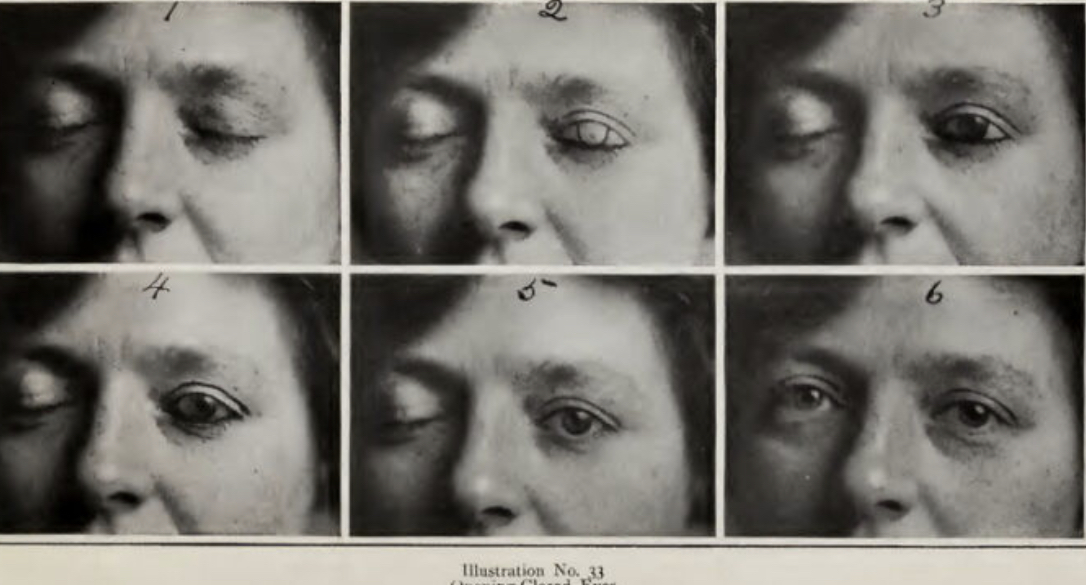
Having closed eyes open? No issue! ‘By using a knife and pencil, you etch and model, and with these two tools, you may make any changes you want to the negative,’ it states.