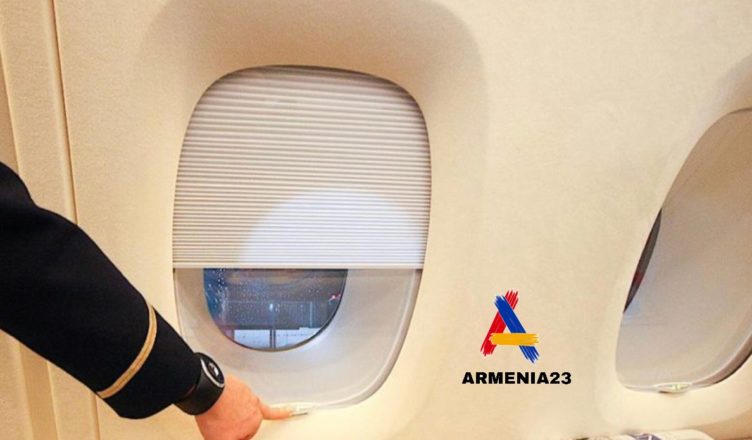
Opening the window shade is part of the long process of preparing the cockpit for an emergency.
The crew has only 90 seconds to evacuate all passengers in the event of an accident.
With minor adjustments to the size of the aircraft and the number of passengers, the evacuation process
takes the same amount of time. Therefore, to meet this same 90 seconds, the team prepares the plane in advance.
In addition, the seats located near the emergency exit are of particular importance: they can be occupied only by adults.
They are advised to read the safety instructions so that they are prepared to assist the crew in case of an emergency.
Window blinds are raised during landing and takeoff, as these phases of flight are considered the most dangerous.
As you know, the largest number of accidents occur during take-off and landing, so passengers are asked to raise the curtains,
put the seats in an upright position, fasten the seat belts, etc. If something goes wrong, the team will have time to react quickly.
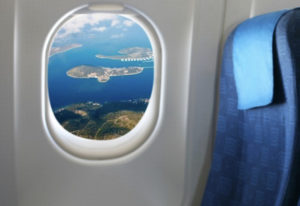
In addition, the following should be taken into account: Passengers are curious. And there are 100-300 people
watching the takeoff/landing process and ready to instantly report anything they find odd. In an emergency, every second counts.
With high curtains, the crew can easily see the sea conditions and make the best possible evacuation decisions.
In case of an accident, people should be ready. Therefore, opening the curtains during the day allows the passengers to get used to this kind of lighting.
In the event of an emergency evacuation, passengers will not have a spontaneous change of cabin lighting, which in turn avoids temporary shock.
The same goes for night flights: curtains open, cabin lights dimmed. This helps emergency services on the outside see what’s going on inside.
Of course, the rules can vary by airline, but in most cases the instructions require the curtains to be open.