
One name has lately become a topic of conversation and adoration in the constantly changing world of celebrity culture and advertising: Jeremy Allen White.
White, well known for his part in the popular TV series The Bear, has emerged as the newest representation of what it means to be a handsome man.
He has gained notoriety for his acting abilities but also for his recent participation in a prominent Calvin Klein commercial.
But amid all the excitement over his recent popularity, concerns about the efficacy of these kinds of advertising tactics and their wider ramifications surface.

These days, Jeremy Allen White is a big deal in Hollywood. Known for his tenure on the venerable television series Shameless as Lip Gallagher,
White has recently experienced success in a new series called The Bear. White has cemented his place as a rising star in Hollywood with the show’s third-season renewal.
For White, switching from one TV show to another was a turning point that sparked his acting career and opened doors to new prospects.
The recent Jeremy Allen White advertisement had a profound effect on the public.

With his new foray into the world of underwear promotion, Jeremy Allen White has certainly gained attention, with many praising him as a modern-day heartthrob.
However, as the advertisement gains traction, others question whether it provides something genuinely novel in the field of advertising.
Celebrities stripping for a business promotion is not a novel idea; decades ago, similar strategies were used.
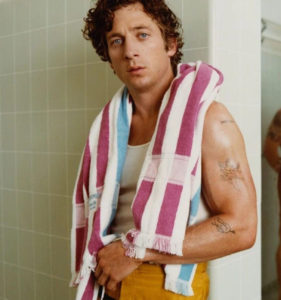
In addition to being aesthetically pleasing, the Calvin Klein advertisement has spurred a larger conversation about objectification and unfair commercial practices.
While some may applaud White’s representation, others wonder about the morality of objectifying male celebrities
when their female counterparts are scrutinized for depictions that are comparable. This emphasizes how complicated gender representation in the media is.
White’s popularity goes beyond conventional ideas of what makes a celebrity. His varied fan base includes both mainstream and more specialized audiences,
and his unique style and indie sensibilities provide a welcome break from traditional A-list clichés.
White, who embraces his unusual appeal and distinctive stature, represents a new kind of celebrity that defies conventional beauty standards and redefines what it means to be gorgeous.
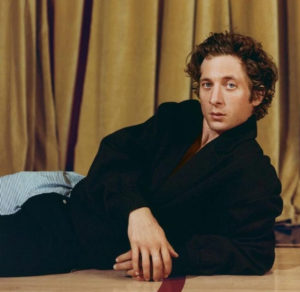
Deeper problems with gender representation and the representation of attractiveness in advertising are brought to light by the uproar surrounding Jeremy Allen White’s underwear advertisement. Brands are under more and more scrutiny for their marketing tactics as society standards change and discussions regarding gender equality gather momentum.
While some may hail White’s advertisement as a success story for body acceptance and masculine empowerment,
others doubt its commitment to moral principles and worry that it can promote negative stereotypes.
A increasing number of people are calling for more diversity and inclusivity in media depictions
while advertisers struggle with these challenges. They have to make sure that everyone is treated with respect and decency.
An whole new class of celebrity influencer emerges in Jeremy Allen White.
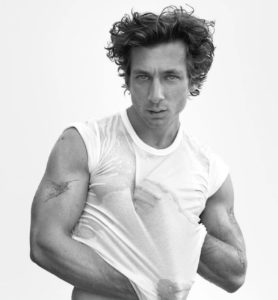
The growth in notoriety of Jeremy Allen White signifies a change in the conventional understanding of celebrity influence.
In contrast to the refined egos of Hollywood’s elite, White’s relatability and honesty are what make him appealing. With his humble manner and dedication to genuineness.
In an attempt to leverage his impact, organizations have to walk a tightrope between pursuing business objectives and building authentic relationships with customers.
There’s a trend in modern times to embrace new masculinity archetypes. The inflexible preconceptions of the past have given way to a broader,
more inclusive definition of what it means to be a guy. These days, being a man is not limited to conventional roles or expectations.